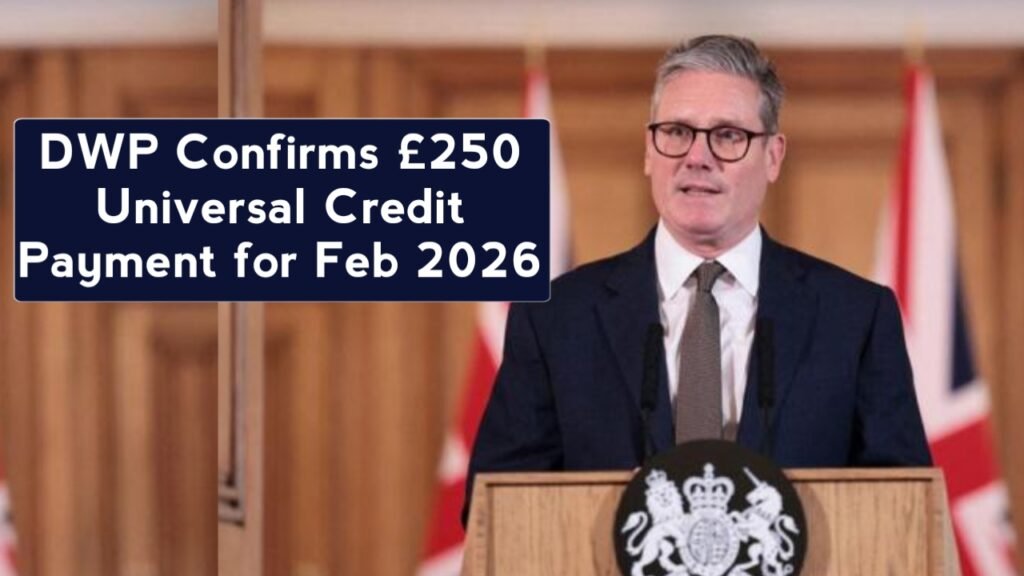
Hello Everyone, The Department for Work and Pensions (DWP) has officially confirmed that eligible Universal Credit claimants will receive a one-off £250 payment in February 2026. This payment is part of the government’s ongoing support to help individuals and families manage rising living costs. It aims to provide financial relief to those relying on Universal Credit, ensuring they can cover essential bills and daily expenses. Recipients do not need to apply separately if they are already receiving Universal Credit, as payments will be automatically processed.
Who Is Eligible
Eligibility for this £250 payment is based on current Universal Credit claim status.
- Claimants must be actively receiving Universal Credit in February 2026.
- Individuals under full Universal Credit awards are automatically considered.
- New claimants may qualify if their claim is processed before the payment date.
The DWP emphasises that eligibility will be checked automatically, meaning most claimants will not need to take any additional action to receive the support.
Payment Date
The one-off payment is scheduled for February 2026, with exact dates varying depending on individual payment schedules.
- Payments are generally aligned with your usual Universal Credit payment cycle.
- The DWP aims to ensure funds are received promptly to provide timely support.
- Claimants should monitor their online accounts for confirmation and payment updates.
It is advised to keep bank details up to date in your Universal Credit account to avoid any delays in receiving the payment.
How to Claim
Most Universal Credit recipients do not need to apply manually for this payment.
- Automatic processing is in place for all eligible claimants.
- Individuals who have recently made a new claim may need to contact the DWP if payment does not appear.
- Queries can be addressed via the official Universal Credit online portal or helpline.
Ensuring your contact details are correct is essential for smooth communication regarding the payment and any potential issues.
Impact on Finances
This £250 support is designed to help claimants manage everyday expenses, particularly during challenging times of high inflation.
- Covers bills such as utilities, rent, and grocery costs.
- Provides short-term relief to supplement monthly Universal Credit payments.
- Can be a buffer against unexpected expenses, reducing financial stress.
While this is a one-off payment, it demonstrates the government’s effort to support low-income households and vulnerable individuals.
What You Need to Know
The DWP advises that claimants familiarise themselves with key information regarding the payment.
- Payment is non-taxable and will not affect other benefits.
- There is no need for separate documentation beyond your existing Universal Credit claim.
- Those not receiving Universal Credit are ineligible unless they submit a qualifying claim.
Understanding the rules ensures claimants can plan accordingly and avoid confusion about eligibility or payment timing.
Government Support Context
This payment is part of a wider government initiative to assist vulnerable households in the UK.
- Similar payments have been introduced in previous years to address cost-of-living pressures.
- The scheme reflects the government’s commitment to maintaining social welfare support.
- It highlights the importance of Universal Credit as a safety net for families and individuals.
Keeping up with such announcements ensures citizens can maximise the support available to them.
Conclusion
The £250 one-off Universal Credit payment in February 2026 offers timely relief for eligible claimants across the UK. Automatic processing means most recipients will receive the funds without additional effort, providing a buffer for essential expenses. Staying informed about eligibility, payment dates, and claim rules is crucial to ensure no one misses out. The DWP’s initiative underlines the continued focus on supporting vulnerable households, helping them manage living costs more effectively in 2026.
Disclaimer: This article is for informational purposes only and reflects official UK government guidance at the time of publication. Eligibility criteria and payment dates may change. Claimants should verify details with the DWP before making financial decisions.