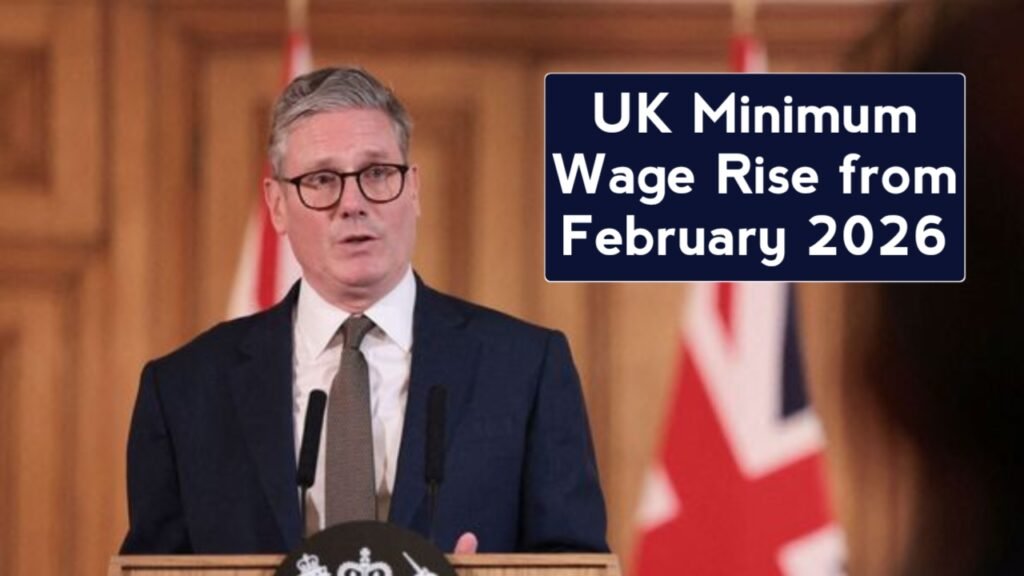
Hello Everyone, The landscape of the UK labor market is shifting once again. For millions of workers across England, Scotland, Wales, and Northern Ireland, the announcement of a minimum wage increase is more than just a policy change; it is a vital adjustment to the daily cost of living. Whether you are a student working part-time or a seasoned professional in the hospitality sector, understanding these new figures is essential for financial planning. This update ensures that pay packets keep pace with inflation and the general economic climate of 2026.
Managing a household budget in the UK has become increasingly complex over the last few years. From energy bills to grocery costs, every penny counts. The government’s decision to implement this rise starting in February 2026 aims to provide a safety net for the lowest-paid members of society. While the changes are welcomed by employees, businesses are also recalibrating their payroll systems to ensure full compliance with the new statutory requirements. It is a balancing act between fair pay and business sustainability.
National Living Wage vs. Minimum Wage
It is important to distinguish between the National Living Wage (NLW) and the National Minimum Wage (NMW). Historically, the NLW applied only to older workers, but the age threshold has been steadily lowering to include more of the workforce. By February 2026, the gap between these tiers continues to narrow, reflecting a move toward equal pay for equal work regardless of age. If you are aged 21 or over, you are legally entitled to the National Living Wage, which represents the highest tier of the mandatory pay scale.
For those under the age of 21, the National Minimum Wage still applies, though these rates have also seen a significant percentage increase. The government’s goal is to ensure that younger workers, who are often in entry-level positions or apprenticeships, are not left behind as the economy grows. Employers must be vigilant in tracking their staff’s birthdays, as a move from one age bracket to another necessitates an immediate pay rise to remain within the legal framework of the UK Department for Business and Trade.
Updated Pay Rates by Age Group
The new rates for 2026 have been designed to tackle the rising “cost of lifestyle” across the country. The Low Pay Commission (LPC) played a central role in recommending these figures based on economic productivity and employment levels. The focus this year has been on closing the gap for the 18-20 age group, who have seen some of the highest percentage jumps in recent history. The 2026 Wage Breakdown.
- National Living Wage (Aged 21+): Increased to £12.65 per hour.
- 18-20 Year Old Rate: Increased to £10.40 per hour.
- 16-17 Year Old Rate: Increased to £7.90 per hour.
- Apprentice Rate: Increased to £7.90 per hour.
- Accommodation Offset: Adjusted to £10.50 per day.
Specific Rules for Apprentices
Apprenticeships remain a cornerstone of the UK’s strategy to bridge the skills gap in industries like construction, healthcare, and technology. To be eligible for the Apprentice Rate, an individual must be either under 19 or in the first year of their apprenticeship. Once an apprentice turns 19 and has completed their first year, they are entitled to the full minimum wage for their specific age group. This transition is a common point of confusion for many small business owners.
It is a misconception that apprentices can be paid less indefinitely. The lower rate is intended to offset the cost of training and the time spent away from direct labor for educational purposes. However, the 2026 increase ensures that apprentices earn a dignified wage while learning their trade. If you are an apprentice in a high-demand field, your employer might even offer a “discretionary” rate that sits above these legal minimums to retain your talent in a competitive market.
How Job Types Influence Your Pay
While the legal minimum is fixed by age, certain job types in the UK are seeing shifts in how pay is structured. In the hospitality and retail sectors, where the minimum wage is most prevalent, many employers are now moving toward a “Real Living Wage” which is higher than the government mandate. However, for those on standard contracts, the February 2026 rise is the definitive floor below which pay cannot fall, regardless of whether you are a cleaner, a cashier, or a warehouse operative. Sectors Most Affected by the Rise
- Retail and Wholesale: High volume of staff on entry-level pay scales.
- Hospitality: Cafes, pubs, and hotels must adjust seasonal worker pay.
- Social Care: A sector heavily reliant on NMW, currently facing funding shifts.
- Cleaning and Maintenance: Often involves outsourced contracts that need renegotiation.
- Agriculture: Seasonal workers must be paid the new rates immediately.
Eligibility and Worker Status
Not everyone working in the UK is classified in the same way, which can affect your right to the minimum wage. “Workers” and “Employees” are generally covered, including part-time staff, casual laborers, and agency workers. However, if you are genuinely self-employed, you are not entitled to the National Minimum Wage because you set your own rates. It is crucial to verify your employment status, as “gig economy” workers have recently won legal battles to be recognized as workers entitled to these protections.
There are also specific exemptions to keep in mind. For instance, company directors, volunteers, and people living and working within a religious community may not be eligible for the NMW. Furthermore, students on work placements that are part of a higher education course for less than a year are typically not entitled to the wage. If you find yourself in a “grey area,” it is worth consulting ACAS or a trade union representative to ensure your employer is not misclassifying your role.
What to Do If You Are Underpaid
Despite strict laws, some workers still find themselves being paid less than the legal minimum. This can happen through simple administrative errors or, in worse cases, deliberate non-compliance. If your February 2026 payslip does not reflect the new rates, your first step should be an informal conversation with your payroll department. Often, a quick reminder is enough to rectify the situation. You are also entitled to back-pay for any period where you were underpaid relative to the law.
If an informal approach fails, you have the right to make a formal grievance. HM Revenue and Customs (HMRC) has the power to investigate employers and issue significant fines for non-compliance. They can also publicly “name and shame” companies that fail to pay the NMW. Remember, it is illegal for an employer to dismiss you or treat you unfairly because you asked for the legal minimum wage. Protections are in place to ensure you can assert your rights without fear of losing your job.
Impact on the UK Economy
The February 2026 wage rise is a double-edged sword for the wider economy. On one hand, it puts more disposable income into the pockets of those most likely to spend it, boosting local businesses and high streets. On the other hand, small businesses may struggle with the increased overheads, potentially leading to slight price increases for consumers. Economists are watching closely to see if this wage push contributes to a “wage-price spiral” or if it simply stabilizes the standard of living for the working class.
Furthermore, this rise is expected to reduce the government’s expenditure on in-work benefits like Universal Credit. When people earn more through their salary, the “taper rate” of benefits naturally reduces the amount of state support required. This shift is part of a broader strategy to make work pay and encourage more people back into the labor market. While the transition can be bumpy for employers, the long-term goal is a more robust, self-sufficient workforce that contributes more to the national tax base.
Conclusion
The February 2026 UK minimum wage rise marks a significant milestone in the ongoing effort to support the nation’s workforce. By raising the floor for apprentices, young adults, and experienced workers alike, the government is addressing the immediate financial pressures of the modern era. For workers, it means a more secure paycheck; for employers, it represents a call to optimize efficiency and value their staff. Staying informed about these rates is the best way to ensure you are being treated fairly and that your career path remains financially viable.
Disclaimer: This article is for informational purposes only and does not constitute legal or financial advice. While we strive for accuracy regarding the February 2026 rates, employment laws are subject to change. Always verify your specific pay and rights with official UK Government sources or a qualified legal professional.